
Research

— Innovative Solutions to Evolving Anti-Doping Challenges
ADLQ’s research activities directly address the evolving challenges and priority areas of the global anti-doping program. Focusing on innovative molecular, physiological, and analytical techniques, ADLQ helps to protect clean sport initiatives and safeguards the integrity of athletic competition.
ADLQ actively contributes expertise in international Anti Doping forums, committees, and expert groups. Through strategic collaborations with accredited laboratories, academic institutions, hospitals and National Anti-Doping Organizations (NADOs), we maximize our collective impact in the global fight against doping.
— Our Research Areas
ADLQ’s research spans multiple focus areas, including blood doping detection, novel performance-enhancing substances such as ecdysterone, biomarker discovery for advanced testing, and innovative approaches like drone delivery for secure sample transport driving scientific progress in the fight against doping."
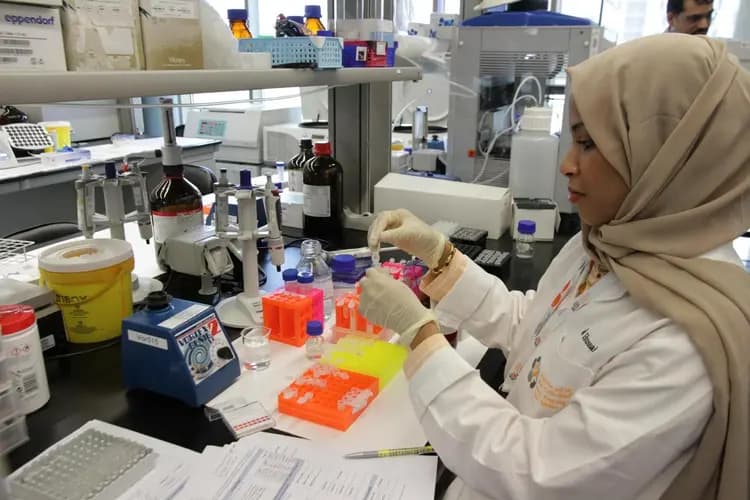
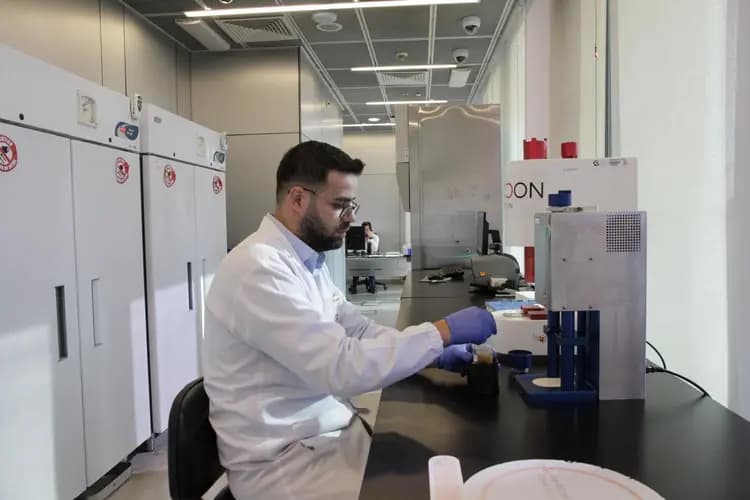
Artificial enhancement of oxygen delivery to muscles is a key research priority at ADLQ.
Methods Studied:
- Use of specific drugs
- Synthetic hemoglobin-based oxygen carriers (HBOCs)
- Blood transfusions
Key Focus Areas:
- Faster, more specific EPO assays (using camel-derived antibodies)
- Collaborative research on HBOCs with other anti-doping labs
- Biomarker discovery for blood transfusions:
- Molecular approaches (genetic markers, nucleic acids)
- Metabolomics approaches (new metabolite markers for ABT detection, under validation)
Artificial enhancement of oxygen delivery to muscles is a key research priority at ADLQ.
Methods Studied:
- Use of specific drugs
- Synthetic hemoglobin-based oxygen carriers (HBOCs)
- Blood transfusions
Key Focus Areas:
- Faster, more specific EPO assays (using camel-derived antibodies)
- Collaborative research on HBOCs with other anti-doping labs
- Biomarker discovery for blood transfusions:
- Molecular approaches (genetic markers, nucleic acids)
- Metabolomics approaches (new metabolite markers for ABT detection, under validation)

Artificial enhancement of oxygen delivery to muscles is a key research priority at ADLQ.
Methods Studied:
- Use of specific drugs
- Synthetic hemoglobin-based oxygen carriers (HBOCs)
- Blood transfusions
Key Focus Areas:
- Faster, more specific EPO assays (using camel-derived antibodies)
- Collaborative research on HBOCs with other anti-doping labs
- Biomarker discovery for blood transfusions:
- Molecular approaches (genetic markers, nucleic acids)
- Metabolomics approaches (new metabolite markers for ABT detection, under validation)

Artificial enhancement of oxygen delivery to muscles is a key research priority at ADLQ.
Methods Studied:
- Use of specific drugs
- Synthetic hemoglobin-based oxygen carriers (HBOCs)
- Blood transfusions
Key Focus Areas:
- Faster, more specific EPO assays (using camel-derived antibodies)
- Collaborative research on HBOCs with other anti-doping labs
- Biomarker discovery for blood transfusions:
- Molecular approaches (genetic markers, nucleic acids)
- Metabolomics approaches (new metabolite markers for ABT detection, under validation)
Artificial enhancement of oxygen delivery to muscles is a key research priority at ADLQ.
Methods Studied:
- Use of specific drugs
- Synthetic hemoglobin-based oxygen carriers (HBOCs)
- Blood transfusions
Key Focus Areas:
- Faster, more specific EPO assays (using camel-derived antibodies)
- Collaborative research on HBOCs with other anti-doping labs
- Biomarker discovery for blood transfusions:
- Molecular approaches (genetic markers, nucleic acids)
- Metabolomics approaches (new metabolite markers for ABT detection, under validation)
— Innovation in Action
◆ From refining the EPO test to piloting drone transport of samples, our work pushes the boundaries of what’s possible. With international collaborations and a world-class metabolomics platform, ADLQ is leading the conversation in anti-doping science.
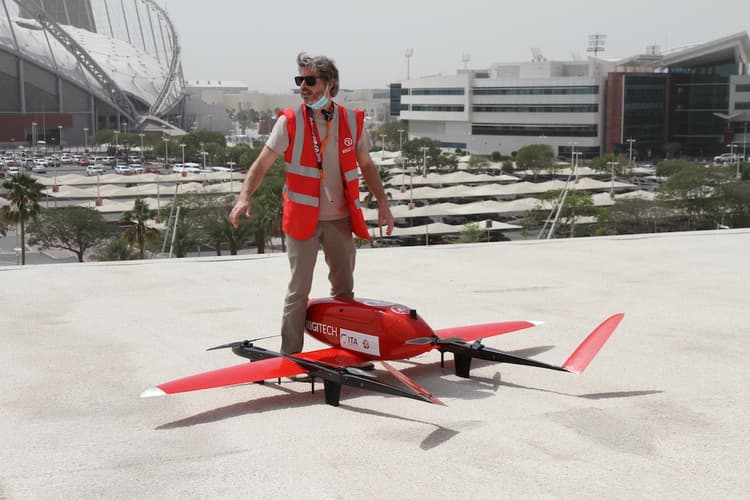
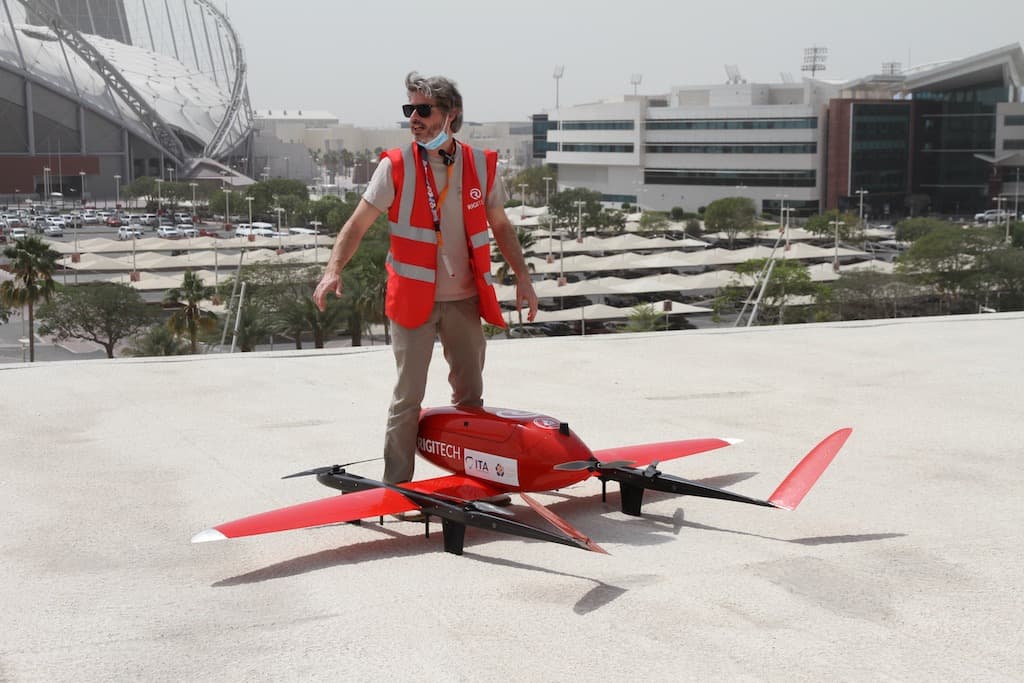
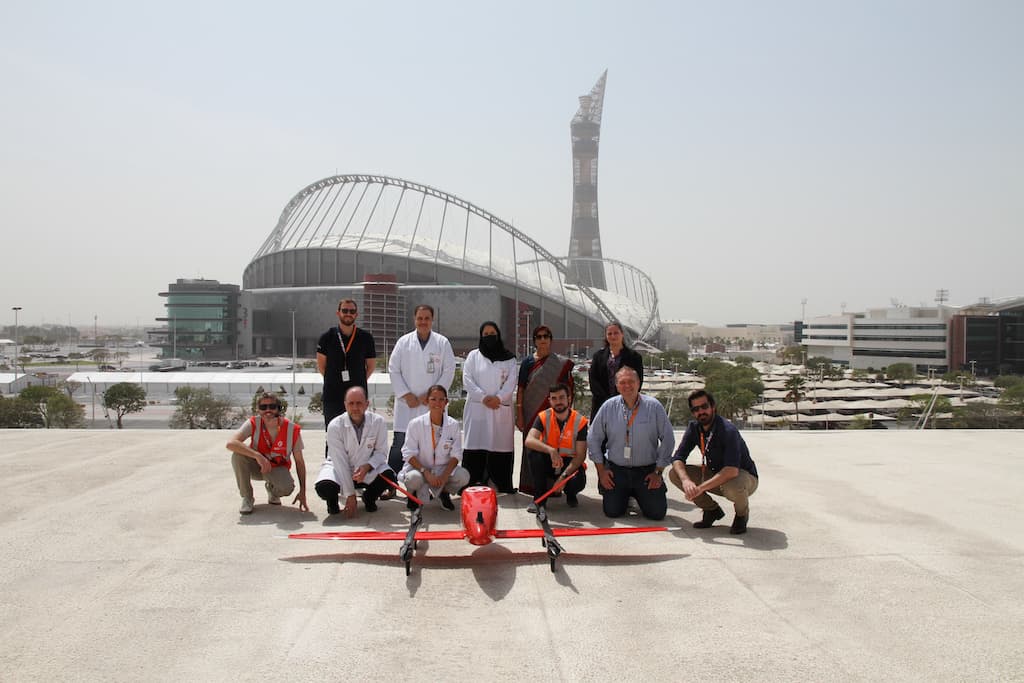
◆ ADLQ, in collaboration with ITA and Rigitech, tested drone transport for anti-doping samples during major events. The study involved 5 trial flights using temperature-controlled drones, ensuring safety, reliability, and compliance with WADA standards. This innovation aims to speed up logistics while maintaining sample integrity.

— Collaborating for Impact
We don’t work alone. Our partnerships with WADA, NADOs, ITA, and other accredited labs.